
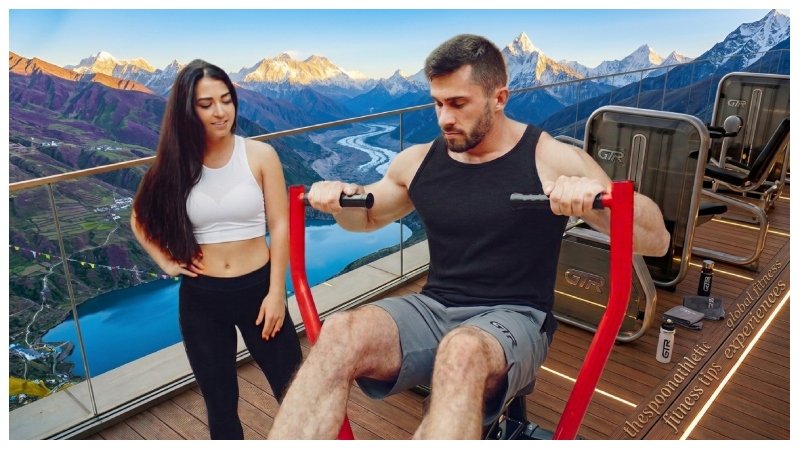
Most fitness content online is the same ten tips wearing a different outfit. Copy-pasted, reworded, recycled a thousand times over. I wanted to dig past that noise and figure out what The Spoon Athletic actually gets right, along with a few things I’ve picked up on my own.
Headlines like “10 tips to get fit fast” assume you already own a gym membership, have a stocked fridge, and two spare hours daily. That’s not most people’s life. From what I’ve seen, the smarter approach here focuses on habits that survive a chaotic week not just a picture-perfect one.
Here’s the thing nobody says out loud: consistency wins over intensity almost every single time. A walk you actually take beats a workout you plan three times and cancel three times.
Movement first, structure later
Jumping straight into a rigid program before your body’s used to moving daily is a mistake I see constantly. Keep it stupid simple at first:
- Walk after meals it helps digestion too
- Stretch for a few minutes each morning
- Skip the elevator, take the stairs
Feels too basic? Maybe. But people rarely fail because their program was flawed. They fail because the base habit was never built in the first place.
Don’t skip strength work
Cardio hogs the spotlight, but strength training is where lasting change actually happens. Muscle affects metabolism, bone density, even how your mood holds up through the day. And no, you don’t need a barbell rack to begin.
Squats, push-ups, lunges bodyweight moves like these carry you for months if you stay consistent. Bands can come later once you want more resistance without hauling equipment around.
Two to three sessions weekly, somewhere around 30-40 minutes, is realistic for almost anyone. Not five days a week. Not marathon two-hour sessions. Just realistic.
Nutrition the part everyone dreads hearing about
I’ll keep this short since most nutrition advice repeats itself anyway. Protein at every meal. Vegetables you don’t hate eating (forcing down bland broccoli never lasts). Water before you reach for a snack out of boredom.
What stands out about this angle is less focus on restriction, more on sustainability eating in a way you could realistically keep up for years, not weeks. Crash diets work right up until they collapse, and then you’re often worse off than before.
Rest isn’t a bonus, it’s required
So many people push hard daily assuming more effort always equals better results. It doesn’t. Repair and growth happen during rest, not mid-workout.
Sleep might be the single most underrated tool in fitness. Seven to eight hours isn’t optional luxury it shapes your energy, your workout output, even how hungry you feel the next day.
Mobility work deserves way more credit than it usually gets too. Just five minutes of stretching post-workout can prevent stiffness that otherwise drags on for days.
Tracking without losing your mind over it
Numbers matter, sure, but they can also become a trap fast. Daily weigh-ins, obsessive calorie counting that road leads to burnout quicker than people expect. A better approach: watch how your clothes fit, how your energy holds up, how your strength shifts week over week.
Progress photos taken every few weeks often tell a more honest story than any scale. Muscle takes up less space than fat at the same weight, and a scale has no way of knowing the difference.
Mistakes beginners make on repeat
A handful of patterns show up again and again:
- Doing too much too fast, then burning out completely
- Comparing week one of their journey to someone else’s year three
- Skipping warm-ups, then wondering why injuries keep happening
- Chasing shortcuts instead of building real habits
None of these require a genius fix. They just need patience which, honestly, is the hardest ingredient in any fitness journey.
Making a routine that actually sticks
What tends to work in real life: pick two or three days weekly for structured training, keep daily movement as a baseline, and stop punishing yourself over off days. Fitness was never meant to be a punishment system. It’s something built over time, not forced overnight.
Start smaller than you think you need to. A rushed 15-minute session still beats skipping entirely. Give it a few weeks and that short session naturally grows into something longer, without you forcing anything.
Wrapping up
None of the fitness tips that actually hold up are flashy. No miracle pills, no 30-day transformation gimmicks promising the impossible. Just steady movement, honest strength work, decent food choices, real rest, and patience with a process that takes time.
Getting fit was never about being perfect. Showing up more days than you skip, letting small wins pile up over months that’s the part most people underestimate. And it’s exactly where the real results come from.